
On our Nashville RV trip, we towed a KZ Sportsmen Classic 130RD with a Hyundai Santa Cruz and carried a compact kit for the road and campsite. The useful way to describe it is by the job each item handled, not by the size of a shopping list. These are the pieces our trip notes and photographs document. One trip does not prove long-term durability or make any item right for every RV.
Braking and connections while towing
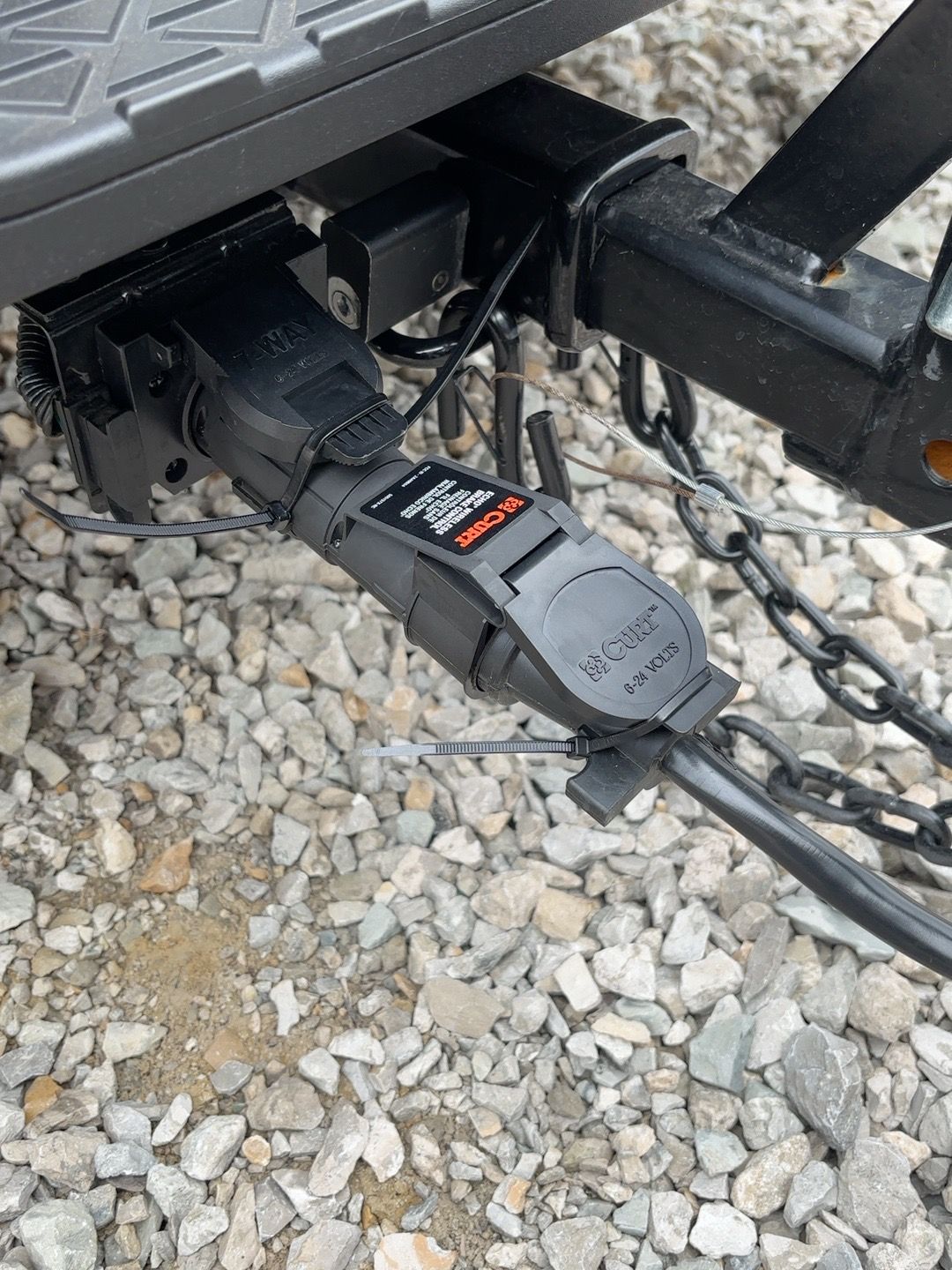
Our photos show a Curt Echo trailer brake controller and a close-up of the unit at the 7-way connection beside the hitch and safety chains. Before departure, the practical check is the whole connection: coupler, chains, electrical plug, lights, and brake-controller function, following the tow vehicle, trailer, and controller instructions. A photo confirms the hardware we carried; it cannot establish the ratings or correct adjustment for someone else’s combination.
We also had to choose stops that accommodated the combined length of truck and trailer. The Nashville road-trip article covers our towing and parking decisions in more detail.
Securing the trailer at camp
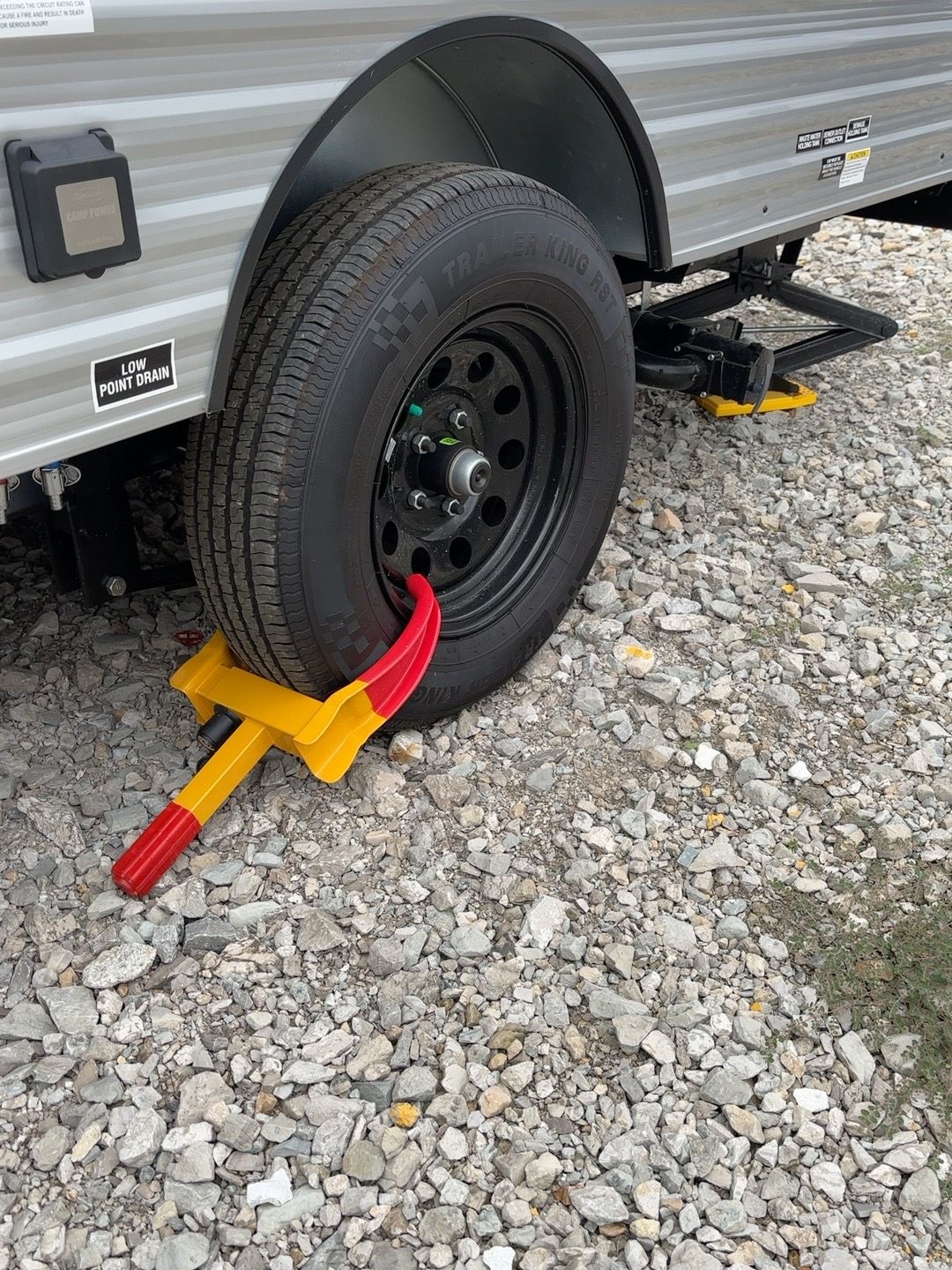
Once parked, the wheel chock and stabilizer pad had simple jobs. The chock helped secure the trailer before unhitching. The pad gave the stabilizer a surface on the gravel. Neither is a lifting device, and a stabilizer does not replace chocking. Our campsite setup checklist shows the order and close-up photos.
Watching the electrical hookup
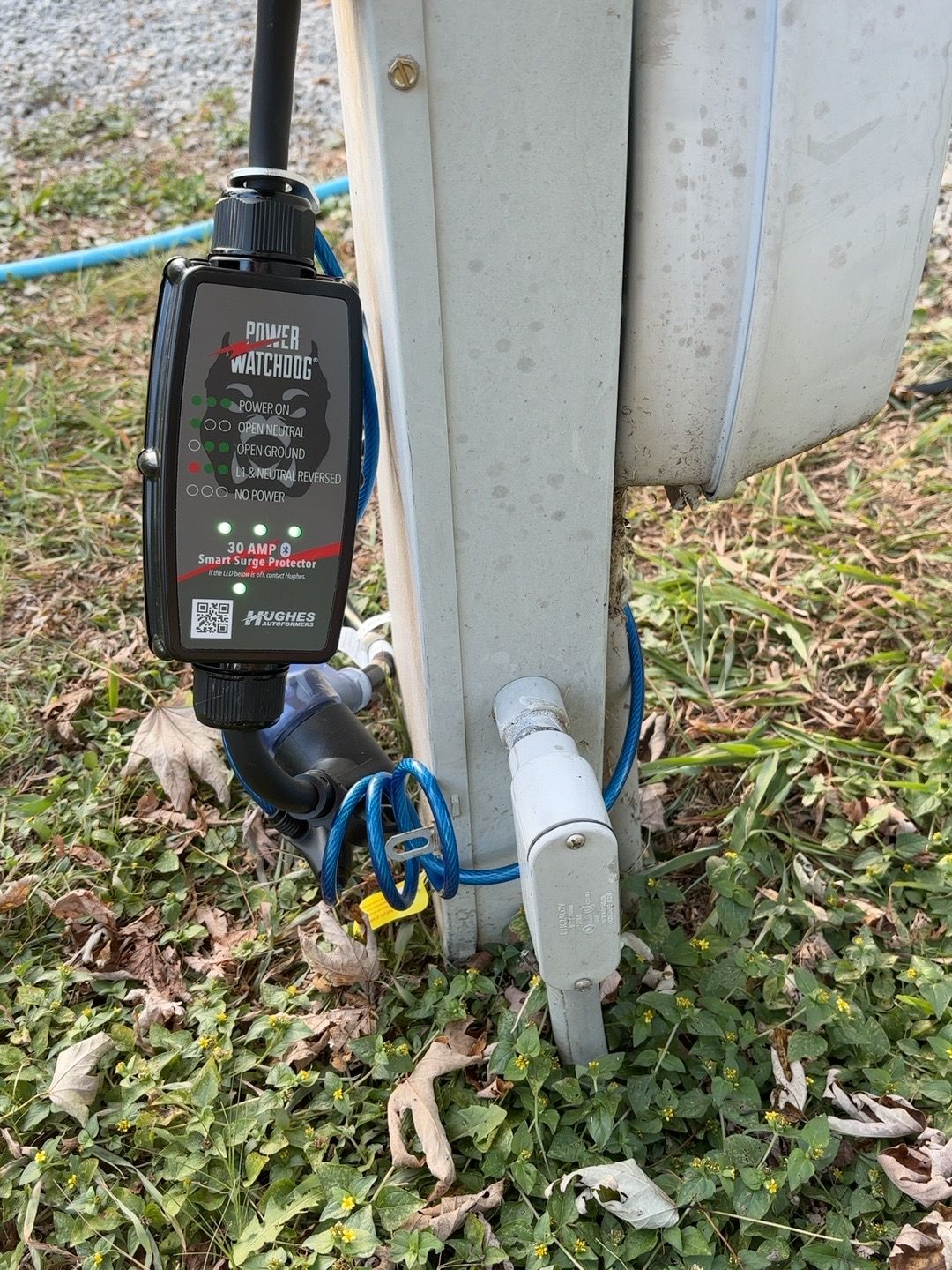
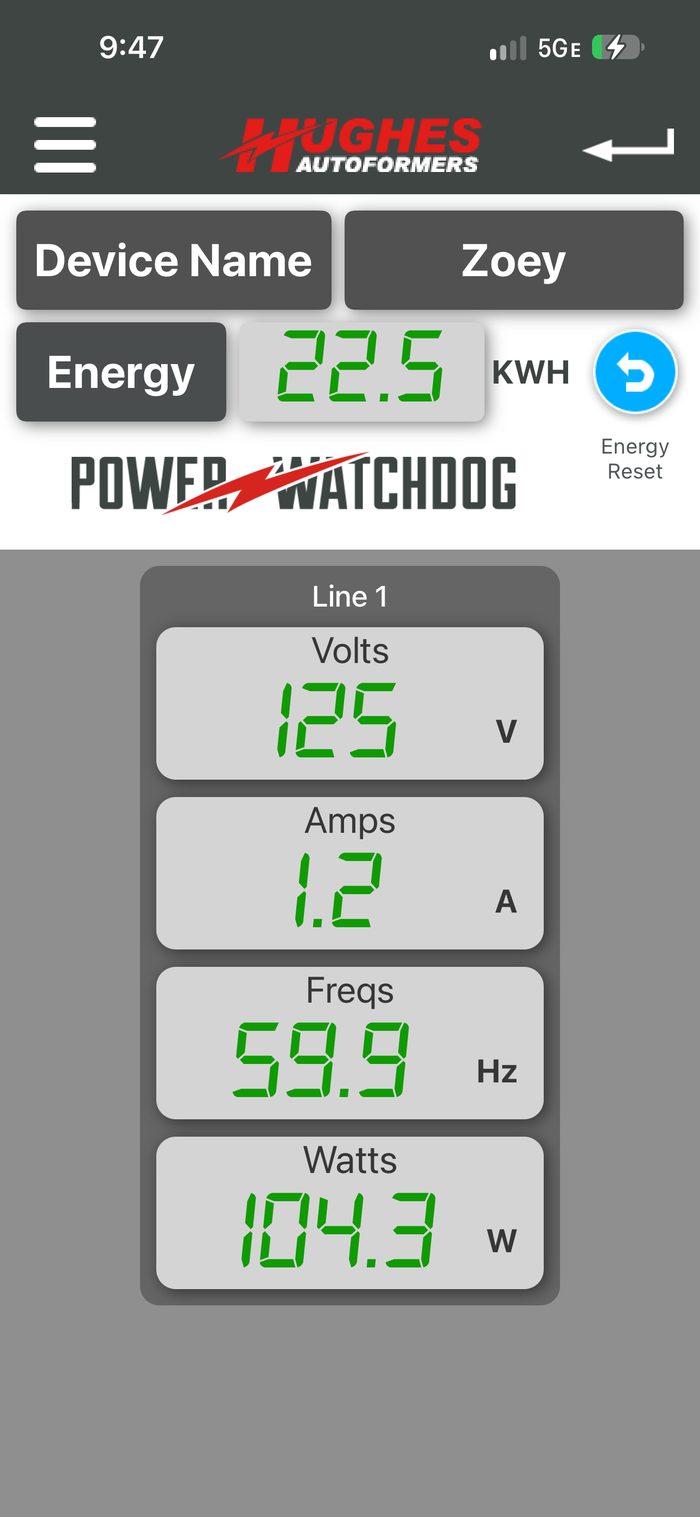
At the campground pedestal, we connected a 30-amp Power Watchdog. Its indicator gave us a visible checkpoint while connecting shore power. Our notes identify the Bluetooth model and record a wish for Wi-Fi access; the product box also identifies Bluetooth connectivity. That is an ownership consideration if you expect to check information from farther away. At R25, our voltage reading remained above 120 volts even at the highest load we used. We did not record an electrical fault or protection event, and that single stay is not a controlled comparison with another device.
Shore-power protection is a different question from storing energy. Our portable RV power guide addresses backup power away from a hookup. A dedicated electrical-protection guide would be a better place for a fuller comparison than this trip account.
Keeping the water kit distinct
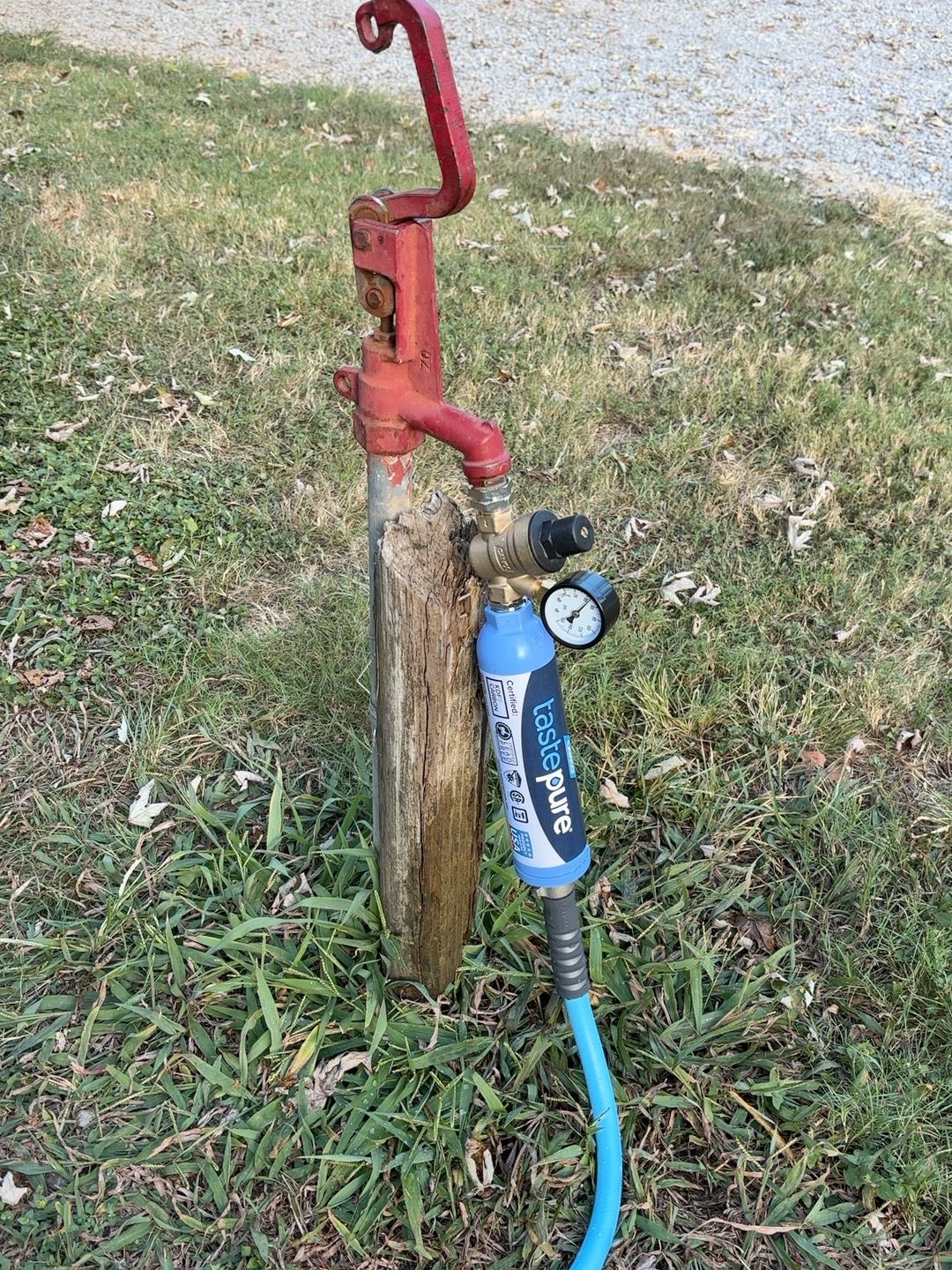
Our campground photo documents the fresh-water spigot, regulator and gauge, Camco TastePURE inline filter, and blue hose. The filter and hose belong to the potable-water kit. We keep that equipment separate from sewer or flush gear and check fittings for leaks. The photograph does not prove a filter’s contaminant removal or a stable pressure reading across the stay.
Tank preparation and what earned space
Our pre-trip note says we added three gallons of water to the black tank and three to the gray tank, and used Happy Campers treatment. That records what we did; it is not a dose recommendation or a claim that the treatment solved a particular problem. Follow the label and your tank manufacturer’s instructions.
The kit earned its place because it addressed concrete tasks: trailer braking and connections, securing the parked rig, checking the electrical hookup, and connecting fresh water without mixing equipment. For the campsite experience around these hookups, read our Nashville KOA Resort review.
Keep building capability
Take the next trip with a better plan.
Join the Out West Club and get the free 25-Point RV Departure Checklist—plus occasional practical notes for travel, connectivity, preparedness, and gear.