
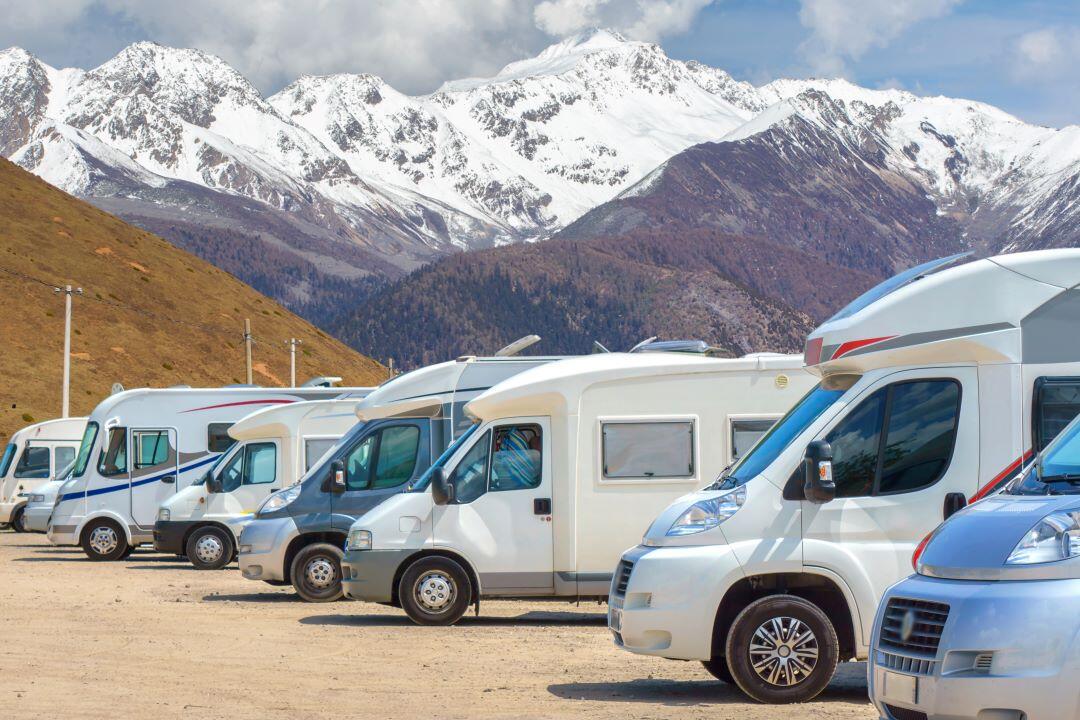
RV communication is not about finding one radio that does everything. It is about matching the communication method to the distance, people, terrain, and type of emergency you may face.
Cellular service should remain the everyday starting point for most RV owners. Radios and satellite devices provide different layers of backup when cell coverage is weak, overloaded, or unavailable.
Disclosure: Out West Survival may earn a commission from qualifying purchases made through links on this page, at no additional cost to you.
Quick Comparison
| Method | Best RV use | Main limitation |
|---|---|---|
| Cell phone | Routine calls, maps, weather, and internet | Depends on carrier coverage and working infrastructure |
| GMRS | Travel groups, campground coordination, and local emergencies | Range varies greatly; a license is generally required |
| CB | Nearby highway traffic and communication with some truckers | Noise, short practical range, and limited participation |
| Amateur radio | Trained emergency communication and access to repeaters | License, study, and practice required |
| Weather radio | Receiving official weather alerts | Receive-only for normal consumer weather radios |
| Satellite messenger | Remote check-ins and SOS outside cellular coverage | Subscription, sky view, and device-specific limits |
GMRS: The Practical Choice for RV Groups
GMRS works well when two RVs are traveling together, when someone is guiding a driver into a campsite, or when a group is spread around a campground. Mobile radios and external antennas can outperform small handheld radios, but terrain and antenna placement still matter.
Ignore exaggerated “maximum range” numbers. Hills, trees, buildings, the metal body of a vehicle, antenna height, and repeater access all influence the real result. A handheld inside a vehicle may cover far less distance than advertising suggests.
CB: Still Useful on the Highway
CB can provide nearby road information and direct communication with other CB users without relying on a carrier network. Its value depends on who else is listening. It should be considered one tool, not a guaranteed emergency-response service.
A properly installed antenna usually matters more than buying the most expensive radio. Antenna placement, tuning, cable routing, and a solid electrical installation determine whether the system performs well.
Ham Radio: The Most Capability, but More Commitment
Amateur radio provides access to local repeaters, organized emergency groups, and multiple frequency bands. It can be extremely useful, but it is not an appliance to leave unopened until an emergency.
The operator must earn the appropriate license, learn the equipment, program or understand local channels, and practice. The real value comes from skill and participation, not merely owning a radio.
Weather Radio: The Receive-Only Layer Every RV Should Have
A weather-alert radio is inexpensive and does not depend on your phone’s data plan. It is particularly valuable when camping in an unfamiliar county where severe-weather risks and shelter locations may be different from home.
Program the device before the trip when it supports location-specific alerts. Keep spare batteries available and know whether the unit can charge by USB, vehicle power, or another source.
Satellite Communication: The Remote-Travel Layer
A satellite messenger may be the most important upgrade for trips well outside reliable cellular coverage. Depending on the service and device, it may support location sharing, preset check-ins, text messaging, weather information, or SOS assistance.
Review the subscription, activation requirements, message limits, and emergency-service terms before leaving. Practice sending a normal message from an open area so the first use is not during a crisis.
A Simple RV Communication Plan
- Use cellular service for routine communication.
- Carry a weather-alert radio for local warnings.
- Add GMRS when traveling with other vehicles or coordinating around camp.
- Add CB when nearby highway communication is valuable on your routes.
- Pursue amateur radio when you want deeper capability and are willing to practice.
- Add a satellite messenger for remote travel beyond dependable cellular coverage.
Before Every Trip
- Charge each device and test it.
- Carry the correct charging cables and spare batteries.
- Confirm channels or call signs with your travel group.
- Download offline maps.
- Write down important phone numbers and meeting points.
- Know the limits of every device in the kit.
The best RV communication system is layered: cellular for convenience, radio for nearby coordination, weather radio for alerts, and satellite capability when the trip takes you beyond normal coverage.
Keep building capability
Take the next trip with a better plan.
Join the Out West Club and get the free 25-Point RV Departure Checklist—plus occasional practical notes for travel, connectivity, preparedness, and gear.